
DHA (docosahexaenoic acid) — the omega-3 fatty acid comprising 40% of the brain’s polyunsaturated fat — is essential for neurodevelopment, visual acuity, and cognitive function throughout childhood. Deficiency during key developmental windows has consequences that persist long after adequate intake is restored.
What Does the Research Say?
DHA is the most abundant fatty acid in neural membranes and the retina, where it maintains membrane fluidity, supports neurotransmitter signaling, and promotes synaptic plasticity. A longitudinal study of 1,500 children found higher cord blood DHA at birth predicted better attention, processing speed, and language ability at school age — independent of other developmental factors. Randomized DHA supplementation studies in school-age children show consistent improvements in reading ability: a 2012 Oxford University RCT found 600mg DHA daily for 16 weeks improved reading ability and behavior in children with low DHA status.
For ADHD — which affects 8–10% of school-age children — a 2012 meta-analysis of 10 RCTs found omega-3 supplementation (primarily EPA+DHA) significantly reduced inattention and hyperactivity scores, with an effect size about half that of stimulant medication but with a far more favorable safety profile. Visual acuity studies confirm DHA’s role: preterm infants randomized to DHA-supplemented formula showed significantly better visual acuity at 4 months and 12 months. The critical periods for DHA’s neurodevelopmental effects are prenatal (third trimester), infancy, and early childhood — with each window adding durable cognitive advantages.
Key Findings
- Higher cord blood DHA at birth predicts better attention, language, and processing speed at school age
- Oxford RCT (n=362): 600mg DHA for 16 weeks improved reading ability in children with low DHA status
- Meta-analysis of 10 ADHD RCTs: omega-3 significantly reduces inattention and hyperactivity with good safety profile
- Critical windows: third trimester, infancy, and early childhood — DHA deficiency in each has long-lasting effects
Practical Takeaway
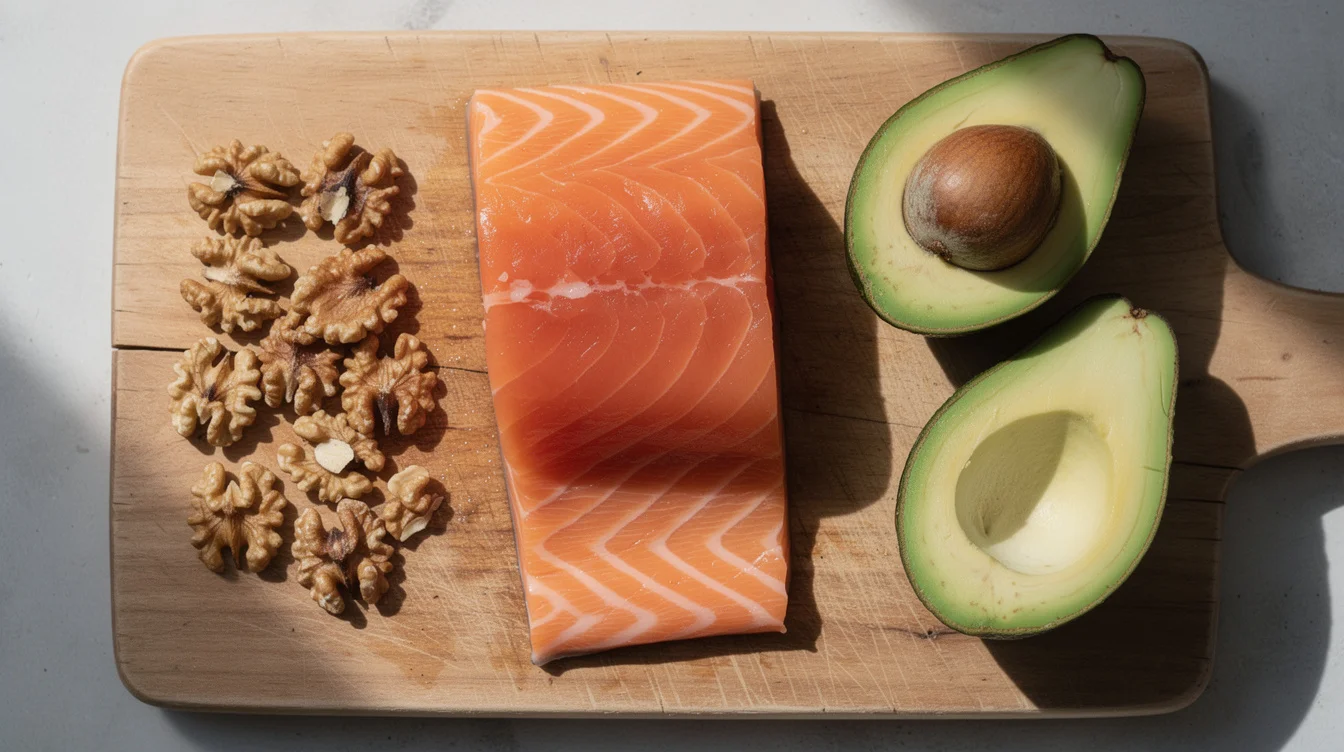
Recommended intake: 200–500mg DHA daily for children 2–12 years. Marine-sourced DHA (from fish oil, algae oil) is the most bioavailable form. Algae oil is fish-free and directly bioavailable — good for vegetarian families. Fatty fish (salmon, sardines, mackerel) 2–3 times per week is the ideal food source. Fish eggs and herring are DHA stars. Find children’s DHA supplements: DHA supplements for children.